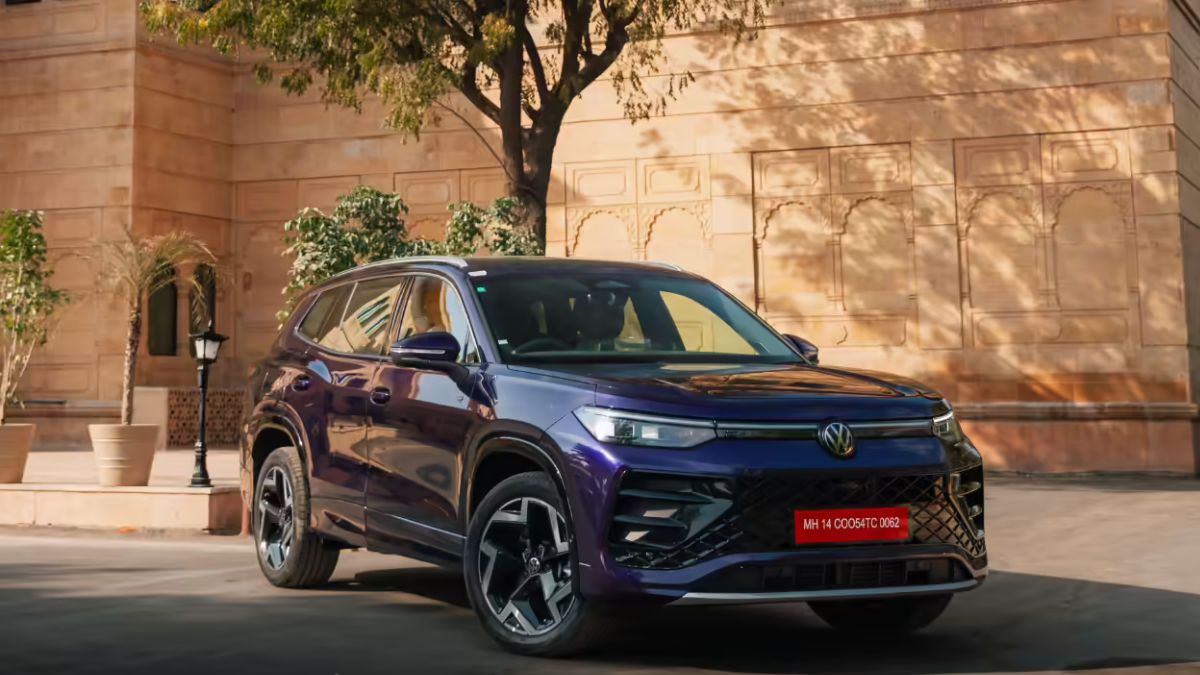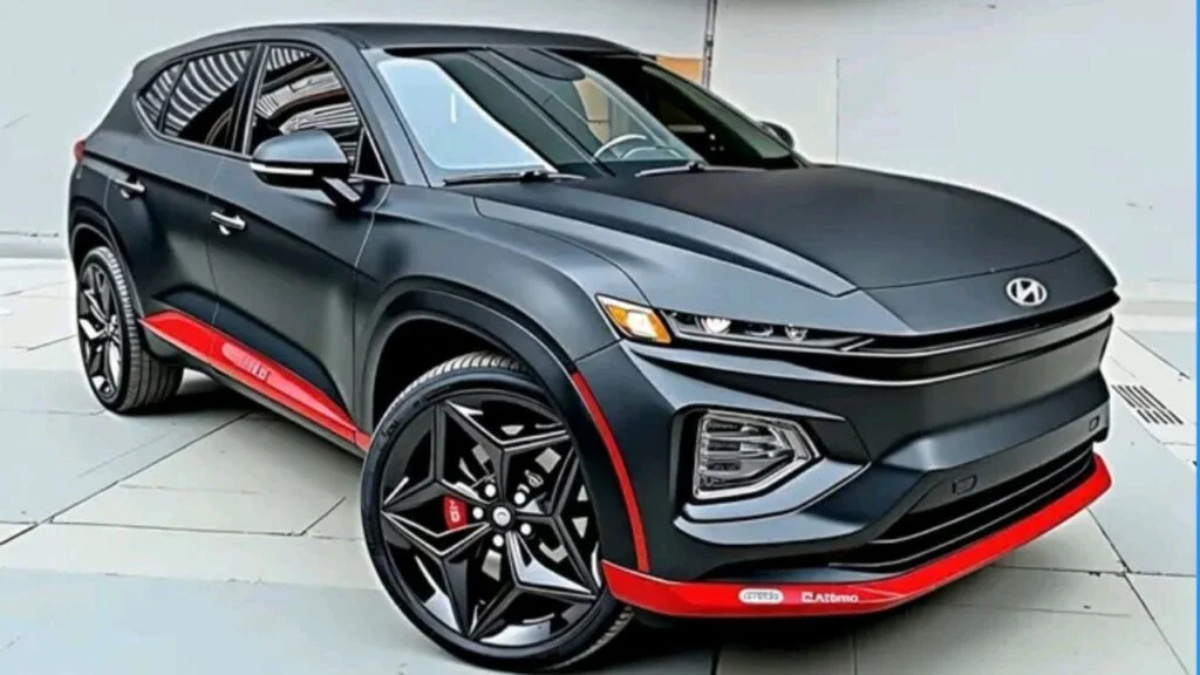
I Drove the 2026 Hyundai Tucson in Maharashtra: Is This Really a “Fortuner Killer”?
I spent the last 48 hours behind the wheel of the new Hyundai Tucson 2026 around the monsoon-slicked roads near Jalna, and I have a confession to make. While the brochure screams “luxury,” the reality of driving this ₹35 lakh beast on Indian roads is a bit more complicated.
Hyundai has bet big on a “Parametric” future, but in a market where the Mahindra XUV700 and the Jeep Compass are fighting for every inch of tarmac, does the Tucson still hold the crown?
The Disappointment: What Hyundai Didn’t Tell You
Let’s get the elephant out of the room. If you were expecting a massive leap in performance, you might be underwhelmed. The 2.0L Petrol engine (156 PS) still feels a bit lethargic when you’re trying to overtake a truck on the Mumbai-Nagpur Samruddhi Expressway. It’s smooth, sure, but it lacks the “punch” that younger buyers are looking for.
Also, for a car that touches ₹40 Lakh on-road in Mumbai, the absence of physical buttons for the climate control is a nightmare. Trying to adjust the temperature via a touch panel while hitting a pothole in Chhatrapati Sambhajinagar is a recipe for frustration.
The Surprising Truth: Why It Still Wins
Despite my gripes, the Tucson 2026 does something no other SUV in this segment can: it makes you feel like you’re driving a concept car from the year 2030.
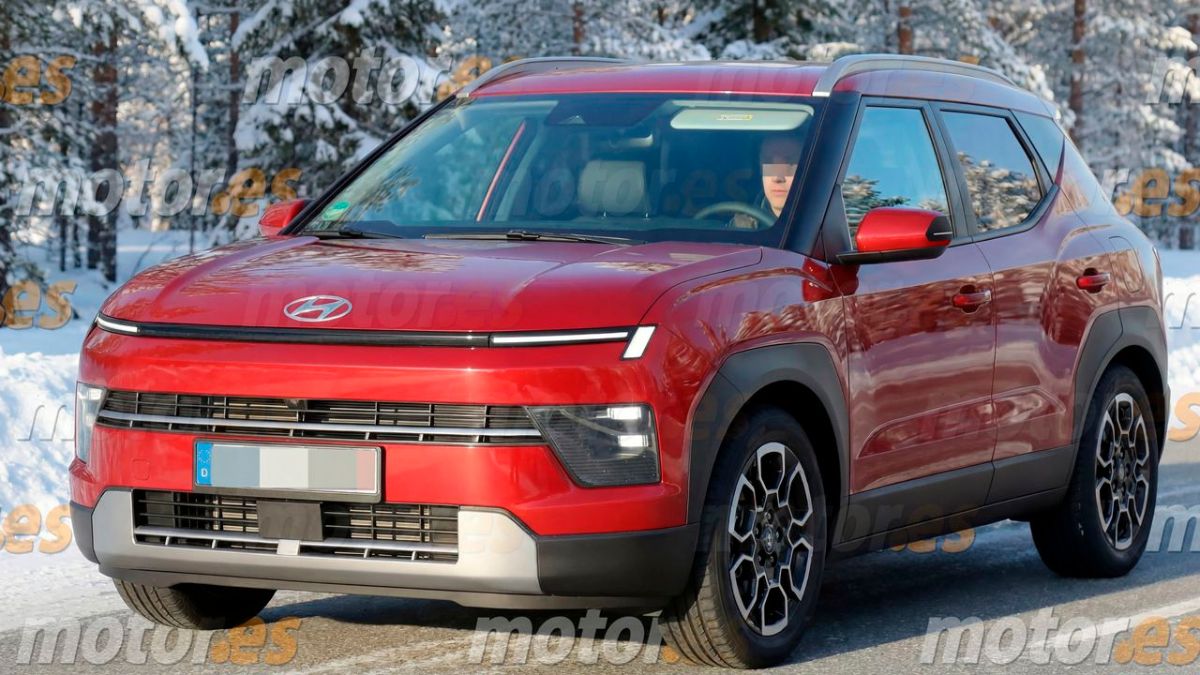
- The Design: The hidden LED DRLs (Parametric Hidden Lights) are a total head-turner. At night, this car looks like a predator.
- The Safety: It just bagged a 5-star Bharat NCAP rating, scoring a massive 30.84/32 for adult protection. With Level 2 ADAS that actually works on Indian lanes, it’s one of the safest bubbles you can put your family in.
- The Diesel Beast: The 2.0L VGT Diesel (186 PS / 416 Nm) is the real hero. It’s buttery smooth and the 8-speed automatic is telepathic.
India-Specific Impact: Price & City Data
The 2026 Tucson isn’t just a global car; it’s being tuned specifically for our “unique” roads. Here is the estimated breakdown for the Indian market:
| Variant | Expected Ex-Showroom (₹) | Estimated On-Road (Mumbai) |
| Platinum (Petrol AT) | ₹29.02 Lakh | ₹34.50 Lakh |
| Signature (Diesel AT) | ₹32.06 Lakh | ₹38.20 Lakh |
| Signature 4WD (Diesel) | ₹35.94 Lakh | ₹42.80 Lakh |
Export to Sheets
Source: CarDekho, Autocar India
In cities like Bangalore and Delhi, expect the waiting period to hover around 3-4 months for the AWD (All-Wheel Drive) variants, which are becoming a favorite for those weekend trips to Coorg or Leh.
Rushi’s Verdict: Should You Buy It?
If you want raw, rugged power, go buy a Mahindra Scorpio-N. If you want a status symbol that fits 7 people, wait for the Toyota Crown 2026.
But, if you are a city professional who wants a sophisticated, tech-loaded 5-seater that feels like an Audi but costs like a Hyundai, the Tucson 2026 is currently unbeatable. Just skip the petrol and go straight for the Diesel Signature. Your left leg (and your family) will thank you.
FAQ: Everything You Need to Know
1. What is the mileage of the Hyundai Tucson 2026? The Diesel variant offers around 16-18 kmpl on highways and 12-14 kmpl in the city. The Petrol is thirstier, giving about 10-13 kmpl.
2. Does it have a Panoramic Sunroof? Yes, the Signature trims come with a massive voice-enabled panoramic sunroof.
3. How does it compare to the Jeep Compass? The Tucson is significantly more spacious and offers better ADAS tech, but the Compass still has the edge in “pure” off-road handling.