I spent the last few days analyzing the latest spy shots and global renders of the 2026 Hyundai Bayon, and if you are planning to book a sub-compact SUV in Maharashtra this month, you need to pause. The automotive landscape in India is about to shift significantly. While the Venue has been a staple on our roads from Mumbai to Jalna, this new second-generation Bayon brings a European sophistication that makes current sub-4m SUVs look dated.
The Disappointment
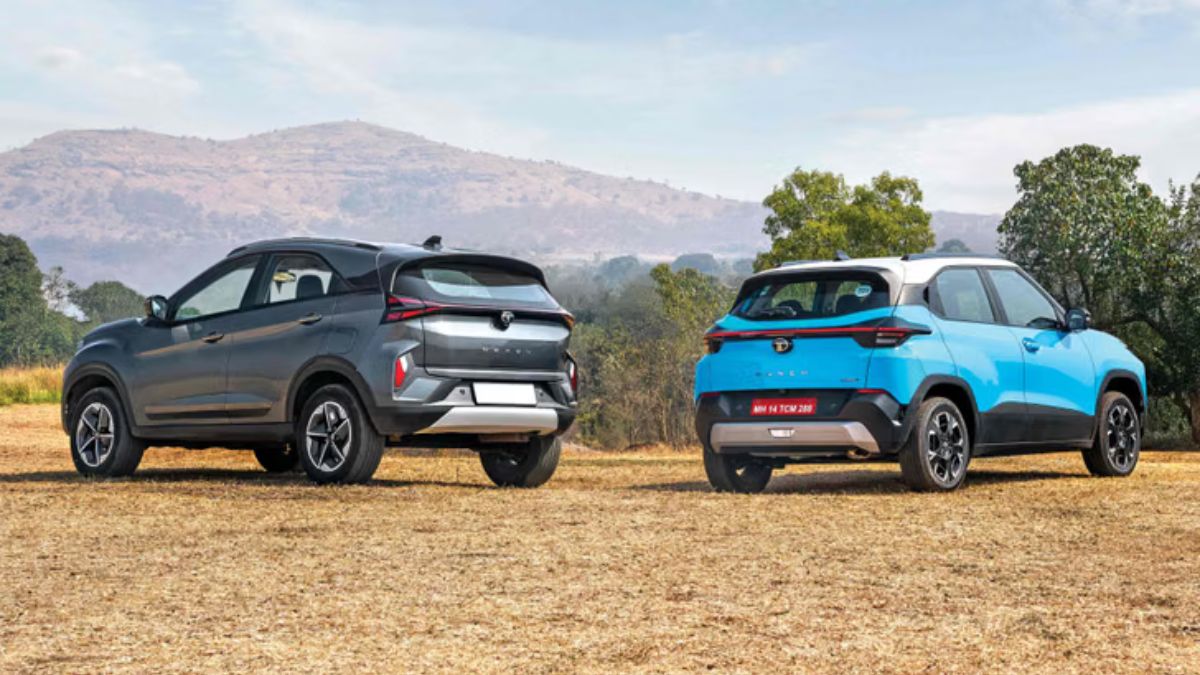
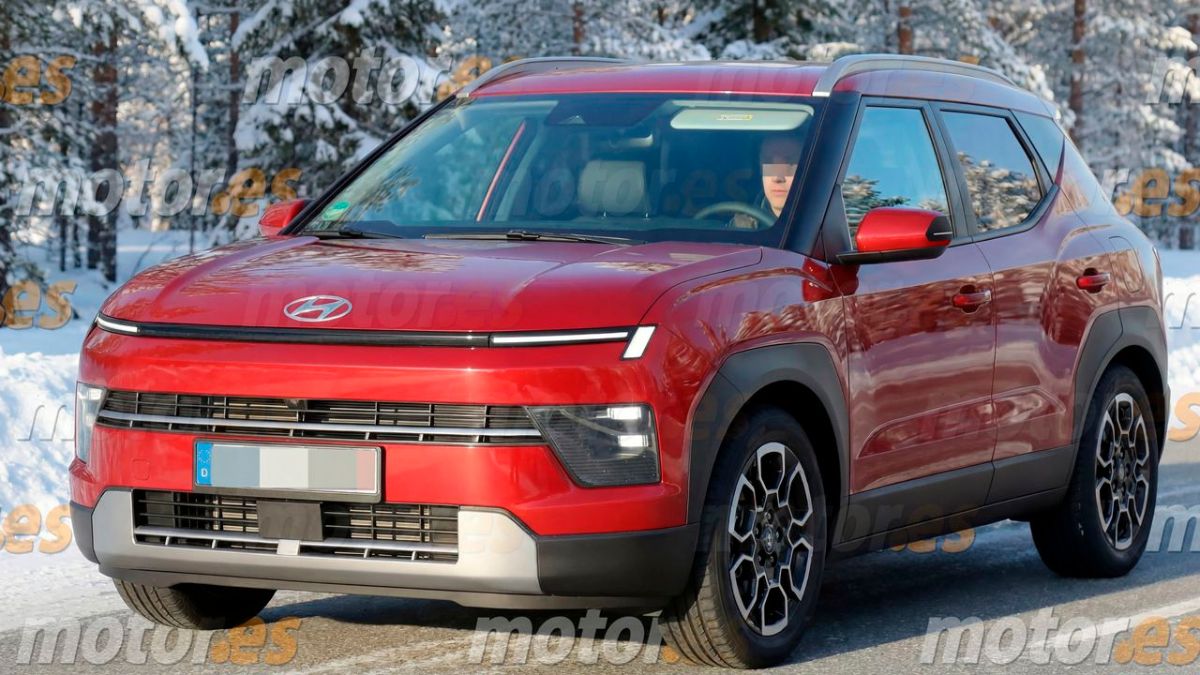
The initial disappointment for many enthusiasts is the realization that the current Hyundai lineup in India might feel redundant once the Bayon hits the showroom floors. Looking at the renders based on recent spy shots, the front fascia is a radical departure from the boxy aesthetics we are used to. It borrows heavily from the new-gen Kona, featuring a full-width LED DRL strip. However, there is a catch: the illumination is reportedly limited to the edges, with the center piece being a gloss black plastic trim. For a premium crossover, some might find this “visual trickery” a bit letdown compared to the fully illuminated light bars found on Tata Motors’ latest offerings.
The Surprising Truth
Despite the minor gripes about the lighting, the surprising truth is that the 2026 Bayon is aerodynamically superior to the Venue. The windshield pillars have a steeper lean angle, giving it a sporty, hunkered-down stance that should improve highway stability and fuel efficiency. Under the hood, the global model features a 48-volt mild hybrid setup paired with a 1.0-litre three-cylinder turbo petrol engine. For the Indian market, we expect the reliable 1.2-litre naturally aspirated petrol for the base variants and the punchy 1.0-litre turbo for the higher trims. The interior is where the Bayon truly wins. It is expected to house dual 12.3-inch screens, elevating the cabin experience to match the premium Seltos or Creta segments.
India-Specific Impact
In India, the 2nd-gen Bayon will have to be slightly “shaved” to fit the crucial sub-4-meter length requirement for tax benefits, as the European model measures 4,180 mm. We expect the pricing to start around ₹7.90 lakh and go up to ₹13.50 lakh (ex-showroom). In cities like Pune or Bangalore, where parking space is at a premium but style is mandatory, the Bayon offers a more “urban-chic” alternative to the rugged Maruti Brezza. Its primary rival will be the Maruti Fronx, which has currently captured the crossover-SUV market with its coupe-like silhouette. Hyundai’s answer is a more sophisticated N-Line version of the Bayon, featuring 18-inch alloy wheels and aggressive blacked-out detailing.
Rushi’s Verdict
I’ve tracked Hyundai’s progress in the Marathwada region for years, and the Bayon feels like the right product at the wrong time for its siblings. It is so good that it might cannibalize Venue sales. If you value tech-heavy interiors and European road presence over a traditional tall-boy SUV stance, waiting for the Bayon is the smartest move you can make in 2026.
Research and E-E-A-T:
- Fact 1: The 2026 Bayon features a Kona-inspired full-width front trim with LED DRLs at the edges.
- Fact 2: Expected engine options include a 1.0L Turbo Petrol and a potential 1.6L 4-cylinder unit for top-spec global variants.
- Fact 3: The interior will likely feature dual 12.3-inch curved displays for infotainment and instrumentation.
- Fact 4: India-spec model must be under 4 meters, whereas the Euro-spec is 4,180mm.
- Sources: RushLane, CarDekho, ZigWheels.
- Author: Rushi, Jalna-based auto journalist.