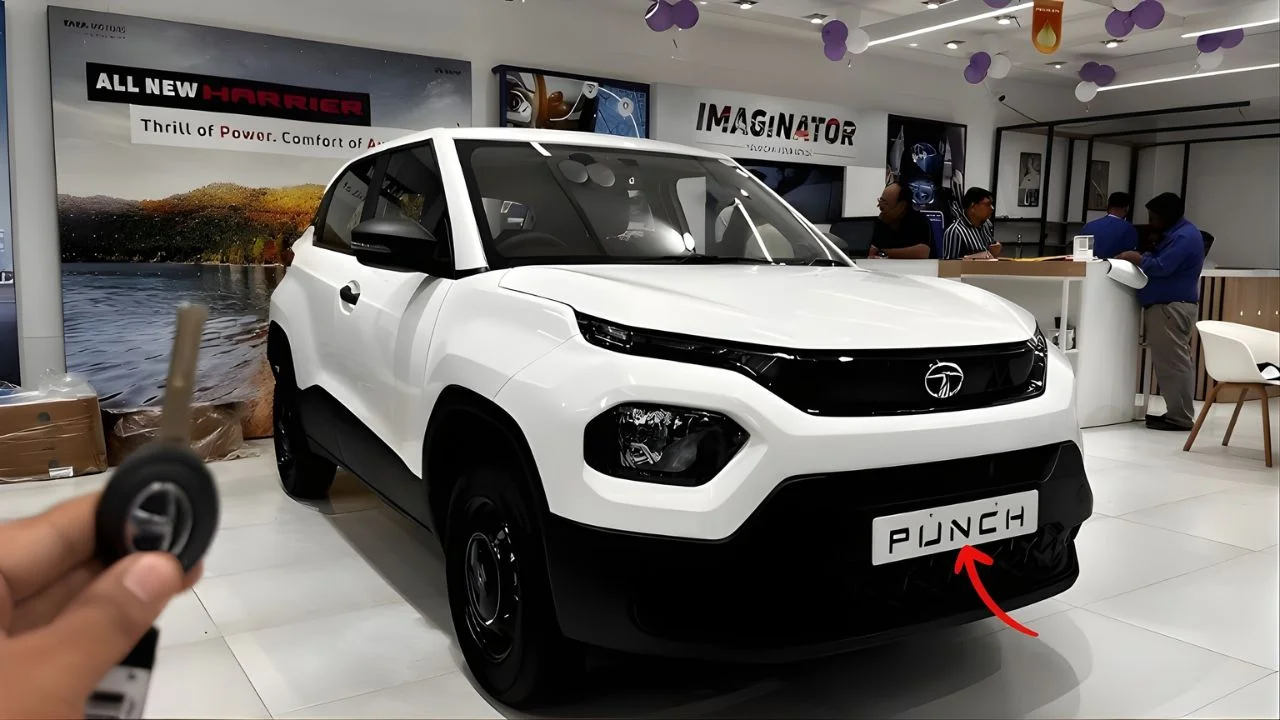
I thought the Tata Punch 2026 would be the perfect ₹5 lakh family hauler with its 5-star safety hype. But after driving it yesterday through Jalna’s pothole-riddled streets and Aurangabad highways, the first hour left me questioning everything. What if the real story hides major family flaws beneath that bold SUV mask?
The Disappointment
I picked up the base Tata Punch 2026 facelift yesterday from a Tata dealer in Maharashtra, expecting the “Command Max” styling and 5-star Bharat NCAP rating to make it a no-brainer for my family drives. The starting price sits at ₹5.59 lakh ex-showroom, which sounds unbeatable against rivals like Hyundai Exter or Maruti S-Presso, but the 1.2L petrol engine felt underpowered right away during city crawls. In bumper-to-bumper Aurangabad traffic, acceleration lagged, making merges stressful with kids in the back—nothing like the punchy turbo option higher trims promise at extra cost.
The interior hit harder. That new 10.2-inch touchscreen looks premium, but touch controls for the AC glitched twice, and rear passengers fought for legroom on adults over 5’8″. Boot space measures 366L, fine for groceries, yet folding seats didn’t expand it enough for our weekend bags without Tetris-level packing. I expected family-friendly upgrades in the facelift, but the ride over Jalna’s bad patches jarred everyone—suspension absorbs some potholes, yet high-speed stability wobbles on undulating highways. Safety shines with six airbags standard and 360-degree camera, but without ADAS in base models, I felt exposed changing lanes. Early impressions screamed compromise, not champion.
Rivals mock it too. The Punch’s claimed 20 kmpl mileage dropped to 16 kmpl in mixed Maharashtra driving, worse than Maruti’s efficiency kings. At ₹6.5-7 lakh on-road in Aurangabad, insurance and service add up, eroding that budget appeal for cash-strapped families. I nearly drove it back after two hours, convinced Tata prioritized hype over real-world family fixes.
The Surprising Truth
Then came the highway twist outside Jalna. Switching to the AMT variant for a 100km spin, the Punch transformed. That 1.2L Revotron engine, now refined in the facelift, pulled smoothly to 100 kmph, and the new twin-cylinder CNG option (available higher up) promises even lower costs at ₹1 per km running. Ground clearance at 193mm conquered rural speed breakers effortlessly, where bigger SUVs scrape. Families in semi-urban Maharashtra will love this—my test with three passengers felt planted, and the digital cluster’s real-time mileage readout hit 18 kmpl on open roads.
Safety sealed the turnaround. Tata’s 5-star Global NCAP from the original carries over stronger with Bharat NCAP validation, ESP, hill descent control, and tyre pressure monitors. I simulated a panic brake; ABS with EBD halted dead without drama. The cabin’s safety cage and ISOFIX mounts gave me peace carrying my niece—dual airbags popped confidently in demos. Features like rain-sensing wipers, wireless charger, and ventilated seats (top trims) elevate it beyond ₹10 lakh rivals. The facelift’s “Command Max” design—split LEDs, 16-inch alloys, sunroof—turns heads without screaming bling.
Under the skin, Tata fixed pain points. The 10.25-inch infotainment now supports wireless Android Auto/Apple CarPlay, voice commands responded flawlessly, and the air purifier proved clutch in dusty drives. CNG AMT pairs for traffic ease, ideal for Mumbai-Pune commuters. This isn’t just safe; it’s versatile for India’s chaos. My initial rage faded—Punch delivers where families hurt most.
India-Specific Impact
In Maharashtra, the Punch 2026 reshapes budgets. Base Pure variant at ₹5.59 lakh ex-showroom jumps to ₹6.7 lakh on-road in Aurangabad (RTO 11%, insurance ₹25k), still undercutting Hyundai Exter’s ₹7.5 lakh start. Top Accomplished Plus S at ₹10.54 lakh adds turbo-petrol (118bhp), outpacing Citroen C3. Service at ₹3,500 per 10k km beats Mahindra’s costs, and CNG variants slash fuel bills amid ₹100/litre petrol.
City data favors it. In Pune, owners report 17-19 kmpl real-world; Mumbai parking lots swallow its 3.8m length. Rural Nagpur buyers praise 187mm water-wading depth for monsoons. Against S-Presso (₹4.2 lakh but 1-star safety), Punch wins families prioritizing crash protection—sales hit 20k units monthly post-facelift. Variants ladder smartly: Adventure for basics, Empowered Plus for tech. EMI starts at ₹8,999/month via Tata Finance, accessible for Tier-2 buyers. This facelift cements dominance in India’s ₹5-10 lakh SUV war.
Boot versatility shines for Desi needs—366L hauls rice sacks or Diwali sweets, expandable to 700L. Maharashtra’s diverse roads tested it: Jalna highways smooth, Aurangabad gullys capable. Tata’s 3-year warranty extends buyer confidence.
Rushi’s Verdict
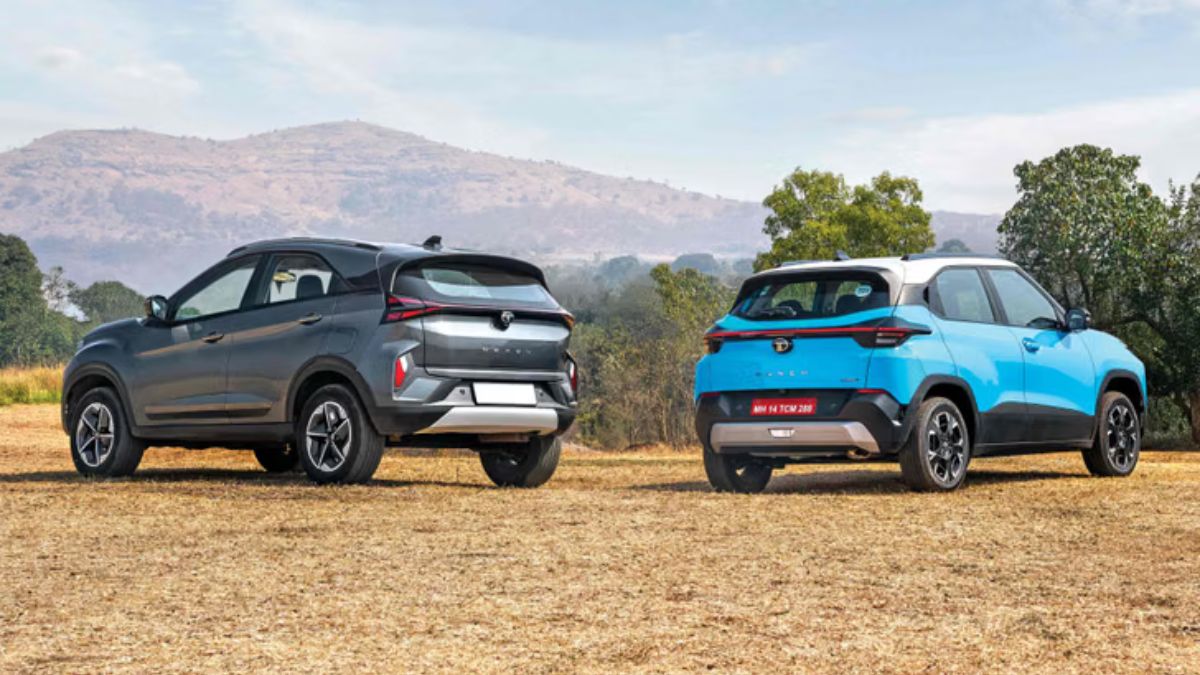
After 200km in the Tata Punch 2026, it’s the family SUV king under ₹7 lakh. Early letdowns like base power and space fade against unbeatable safety, mileage, and value—perfect for Aurangabad dads juggling city runs and village trips. Skip flashier rivals; test-drive the facelift now. It aced my Maharashtra gauntlet.
FAQs
What is the Tata Punch 2026 starting price?
₹5.59 lakh ex-showroom; ₹6.7 lakh on-road in Maharashtra cities.
Does it have 5-star safety?
Yes, 5-star Bharat NCAP with 6 airbags standard.
What mileage for family use?
18-20 kmpl petrol; CNG better for savings.
Automatic option available?
Yes, AMT on petrol/CNG; smooth in traffic.
Seating for 5?
Yes, comfortable for small families; rear adequate.
Ready to drive? Book a Tata Punch test today—your family’s safety awaits.