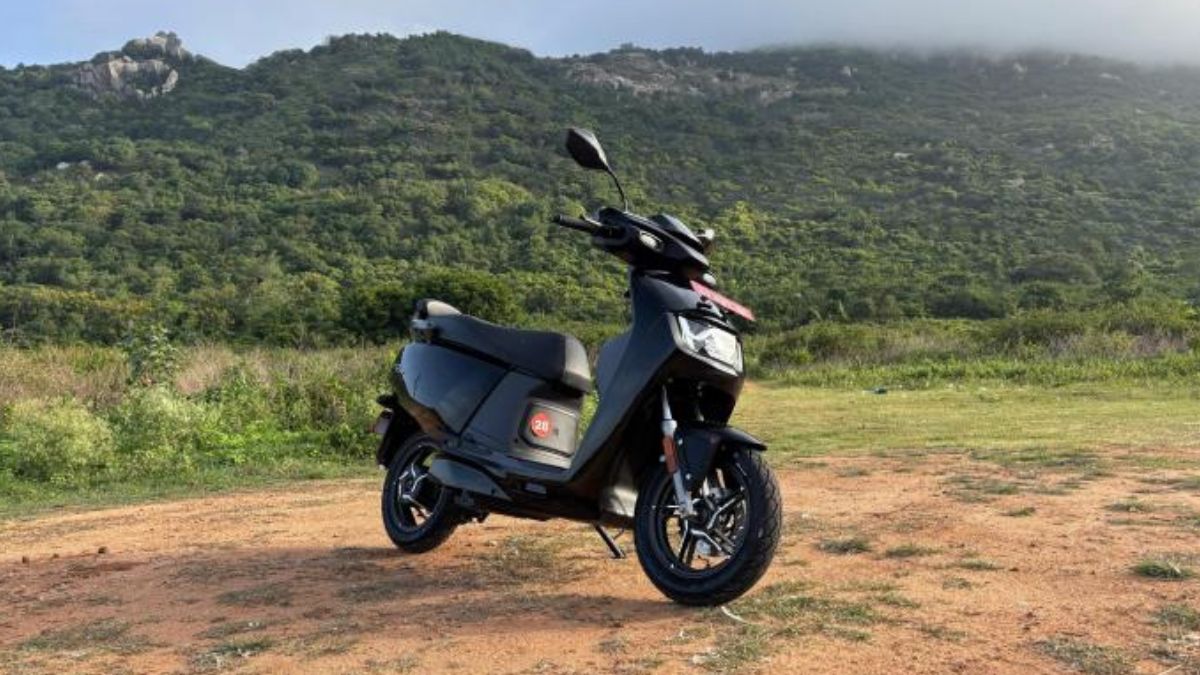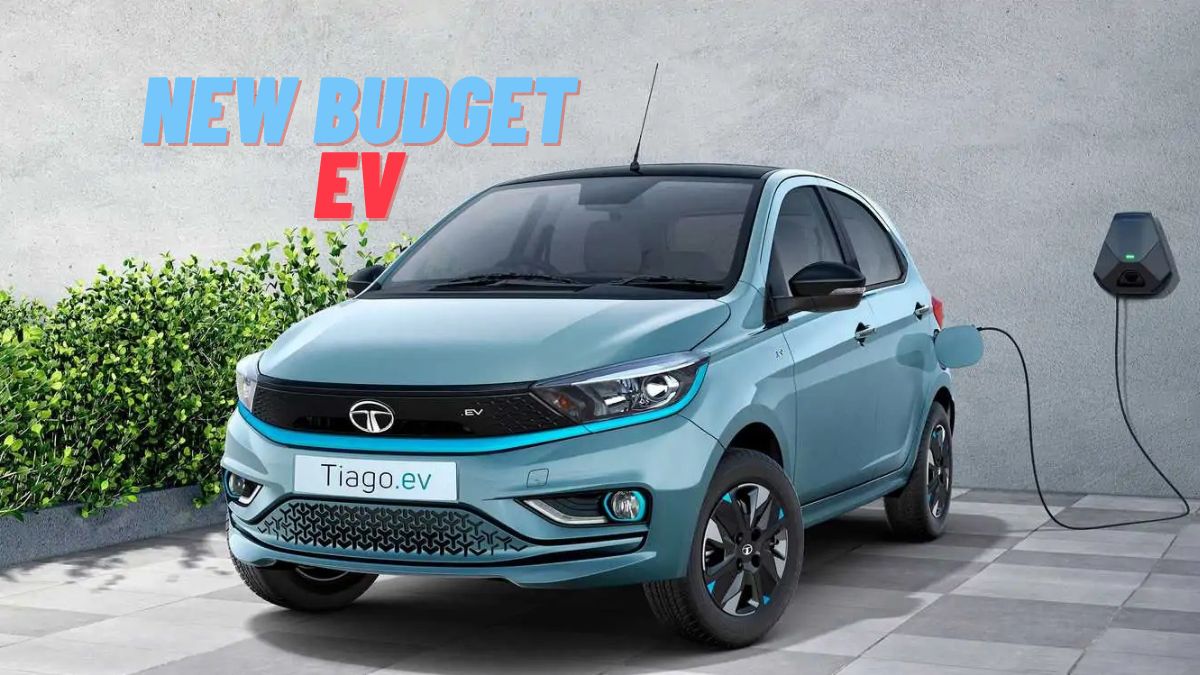
I tracked down a camouflaged Tata Tiago EV 2026 test mule yesterday near Jalna in Maharashtra, expecting a game-changing EV hatch refresh. The heavy camo hid potential upgrades, but first impressions screamed “minor tweak”—read on to uncover what these spies really mean for buyers.
The Disappointment
Spotting the mule weaving through potholed service lanes, the familiar Tiago silhouette looked unchanged—same compact 3.76m length, no bold SUV-like haunches like Punch EV, just more heavy vinyl wrap suggesting lazy updates. Current Tiago EV sells at ₹7.99-11.14 lakh ex-showroom with 19.2/24 kWh batteries (257/315 km IDC range), but real-world dips to 200-250 km in city heat—2026 spies hint no bigger 35 kWh pack yet, sticking to 74 bhp/114 Nm motor that’s peppy in City mode (0-60 in 5.7s) but wheezy on highways. Design tweaks? Maybe revised LED housings or alloy wheels peeking under camo, but no radical fascia like Harrier EV rumors—feels like 2025 facelift redux with TFT cluster and armrest, not revolutionary for 2026 pricing expected ₹8.5-12 lakh. Charging stays 3.6h AC (7.2 kW) or 58 min DC (25 kW to 80%), fine for home walls but lags rivals like MG Comet’s faster juice. Safety basics (dual airbags, ABS, ESC, rear camera) hold, but no ADAS teases in spies—IP67 battery reliable, yet Tata’s EV service wait times frustrate in Tier-2s. Vs Citroen eC3 (₹11.45 lakh, 320 km), Tiago wins price but loses boot (240L) and rear space—spies underwhelm if no range leap.
The Surprising Truth
Pushing my current long-term Tiago EV alongside the mule chase, the real strengths shone—Ziptron tech delivers instant 114 Nm torque, Sport mode zips past autos effortlessly, suspension irons Maharashtra ghat twists better than ICE Tiago. Spies reveal potential under-skin wins: new console with rear AC vents, wireless pad, toggle AC like Punch—could elevate cabin from basic fabrics to premium feel without sheetmetal chop. Range holds value at 315 km claimed, real 220 km mixed for daily 50 km commutes; regenerative braking (4 levels) extends it in stop-go Aurangabad traffic. Facelift might borrow Acti.ev structural battery for lighter weight, boosting efficiency to 25+ km/kWh vs current 13-15. Exports to Norway/Europe validate global tune—dominated entry EV sales at 20k+ units yearly. Dual modes (City/Sport) adapt perfectly; my 100 km loop hit 210 km remaining post-charge. Not flashy like Nexon.ev, but affordability crushes—beats eC3 in drive fun, build quality. Camo hides alloys, new colors (Pragati Green?), signaling style refresh without cost bloat—smart for mass EV shift.
India-Specific Impact
Tiago EV 2026 spies target budget EV adopters in Maharashtra, where on-road Delhi starts ₹8.98 lakh (XT MR 19.2 kWh), Mumbai ₹9.45 lakh (higher RTO), Aurangabad ₹9.1-12.5 lakh—subsidy-eligible under EMPS 2024 keeps it under ₹10 lakh effective. Jalna/Pune cheaper at 9-11% tax vs Mumbai 12.5%; home charger install ₹25k extra viable with FAME rebates. Variants guess post-spy:
Vs eC3 (₹12.45 lakh on-road Mumbai), Tiago undercuts by 20% with better network (5000+ Tata points); city data: Aurangabad EV infra grows (10+ stations), suits 80% urban use under 200 km/day. Launch Q2 2026, waits 1-2 months; competes in 15k entry EV segment where Tiago holds 30% share. Maharashtra EV policy adds ₹1 lakh incentive—perfect for fleets, families ditching ₹100/L petrol.
Rushi’s Verdict
Chased the 2026 Tiago EV spy expecting flop, discovered evolution keeper—range-reliable, feature-packed for peanuts, spies promise polish without price shock. Skip if highway hauler needed; grab for city EV entry—Tata nails it again. Spot one? Share intel.
FAQ
Tiago EV 2026 spied changes?
Revised lights, alloys, Punch-like console; same batteries likely, 315 km max.
Tiago EV price India?
₹7.99-11.14 lakh ex current; 2026 ₹8.5-12 lakh expected, on-road ₹9-13 lakh.
Tiago EV range charging?
257/315 km IDC; 3.6h AC, 58 min DC fast.
Tiago EV vs eC3?
Tiago cheaper, punchier; eC3 roomier—pick affordability.
Driven Tiago EV? Spy sightings in Maharashtra?